6 Mistakes People Make When Considering Estate Planning
/
/
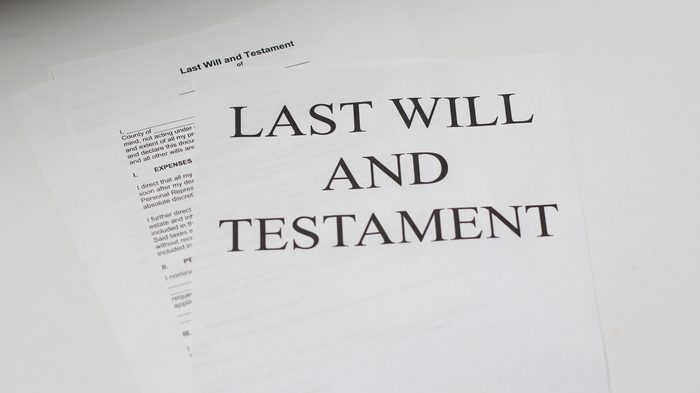
Everyone must prepare for the time when they have to leave their loved ones behind. If you want your friends and family to benefit from your assets, you must have a well-outlined estate plan. There are various tools available at your disposal to ensure that your family carries out your last wishes. For example, you can create a trust or even something as simple as a Will.*
In the UK, though, estate planning mistakes are common since not many people are familiar with what they should include in these documents. Avoid these common mistakes people make when writing wills or estate plans.
Thinking that you don't need a will
We don't know how life will turn out, so every adult must be prepared to go through estate planning, especially if they have assets. That your income is modest, or your finances are simple aren't reasons to forego planning your estate.
If you don't make a Will, intestacy laws in the UK will apply to your assets. This law will distribute your assets in a way that might not sit well with you. For instance, if you have a common-law or civil partnership, your partner will not inherit your assets unless you make a Will stating that they should.
Not updating your Will
Your Will is the document that will govern the distribution of your estate. If your Will does not reflect your current relationships or situation, your assets might end up with people with whom you are no longer associated. Keep your will current, especially regarding crucial circumstances and inheritors.
If you plan your estate well, you can reduce the trauma of death. It will help give your loved ones and descendants with the space to heal and grieve. If you take care of the planning for them, it will reduce the need to get into the delicate and sensitive issue of resolving contests and competing claims.
Update your Will to include virtual property you may hold as well. Bitcoin, banking app passwords, and company information should be a part of your estate planning. Leave instructions for dealing with these after you're gone.
Relying on joint ownership
If your only significant asset is a jointly-owned property, you still have to arrange for the property to pass to the correct person when you die. Don't rely on joint ownership rules to always be in effect.
For instance, owning a property as part of your joint tenancy means there is no right of survivorship. The property, then, will go to the beneficiary named in your Will. In case you don't have one, the property passes to the first name on the list in the intestacy rules.
It potentially creates a difficult situation if you are cohabiting and unmarried. Your share of the property may pass to your parents instead of your partner.
Picking the wrong trustee or executor
Choose a reliable trustee and make sure to remove any that are no longer suitable. See to it that your documentation provides for the removal of people who may damage your estate in the long run. Be wise in choosing your executor as well. Get someone who can be on top of details and fine print, especially under emotional strain.
Not coming up with a Power of Attorney
Do not just focus on the end of your life; think as well of the period shortly before it. Sometimes, you have to leave into someone else's hands essential decisions about your health or finances.
Before this happens, prepare a Power of Attorney. This document is where you can itemise your preferences for when you no longer have the capacity to make choices for yourself.
Not putting in details for the children
Aside from assets, it would be best if you also accounted for your children's welfare in your estate plan. Include potential guardians for them should anything happen to your or to people with whom you share parental responsibility.
Conclusion
The most significant estate planning mistakes can come from misinformation or lack of education. Hire a solicitor or a financial adviser to guide you through the process of preparing your loved ones if you have to leave them behind.
Let us at Harry Robinson Wealth Management help you secure a safe future for your family. We are located in Cardiff, and we offer trust and estate planning, financial protection and insurance, pension planning, and more!
*Will writing and Powers of Attorney involve the referral to a service that is separate and distinct to those offered by St. James's Place and along with Trusts are not regulated by the Financial Conduct Authority.